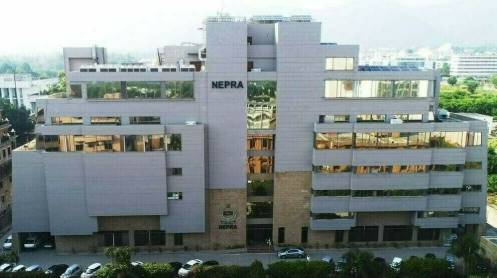
In a major boost for Pakistan’s struggling industrial and agricultural sectors, the National Electric Power Regulatory Authority (NEPRA) has approved a discounted incremental electricity consumption package, offering power at marginal cost to stimulate production and economic activity.
The Karachi Chamber of Commerce & Industry (KCCI), in a notice to its members, confirmed that the Islamabad-based Power Division has been authorised to implement the incentive-based tariff for industrial and private agricultural consumers across all ex-WAPDA distribution companies as well as K-Electric.
Under the scheme, a reduced electricity rate of Rs 22.98 per unit will apply to incremental power consumption, a sharp cut from the prevailing base tariffs of around Rs 34 per unit for industrial users and Rs 38 per unit for agricultural consumers. The relief is aimed at encouraging higher electricity usage, improving capacity utilisation, and lowering the cost of expansion for businesses.
The discounted tariff will be available to both Time-of-Use (ToU) and Non-Time-of-Use (Non-ToU) consumers and will cover peak and off-peak incremental consumption alike, ensuring broad-based applicability across sectors.
Incremental usage will be calculated by comparing a consumer’s electricity consumption in the current billing month with a defined benchmark based on the reference period from December 2023 to November 2024. Any consumption exceeding this benchmark will qualify for the reduced tariff, subject to compliance with prescribed conditions.
NEPRA has approved the package for a three-year period, to be applied on a monthly billing basis. The scheme will automatically expire at the end of this tenure unless extended or amended by the competent authority.
KCCI has advised its members to carefully review the detailed terms and conditions governing the package. These include eligibility criteria, treatment of new consumers, changes in tariff category, defective or locked meters, net-metering and wheeling consumers, as well as applicable duties, taxes and other regulatory provisions.
Industry stakeholders see the move as a timely intervention, expected to ease energy costs on expansionary power use, revive industrial momentum, and provide much-needed support to economic growth at a time of persistent cost pressures.
NEPRA switches on power relief: Rs 22.98 per unit tariff to spark industrial revival for three years